Top Navigation Example
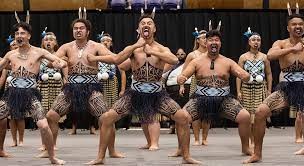
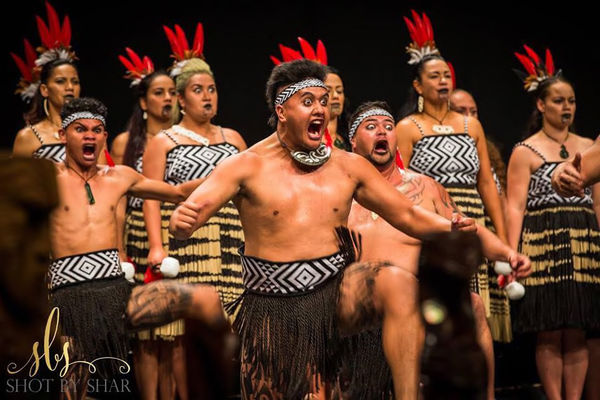
Kapa haka are mixed groups of anywhere between several and dozens of people that may or may not wear a costume. These groups comprise individuals linked in some way be it by extended family group iwi (tribe) school or some other association. Performers are largely synchronised but with men sometimes doing some actions while women do others. A few performers have particular roles, such as the kaitataki (male and female leaders) often moving among the performers to urge them on. Composers arrangers choreographers and costume designers also play major roles.
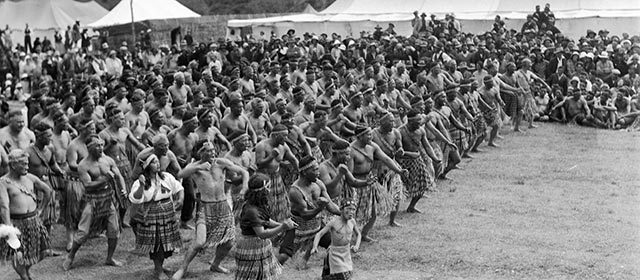
Kapa haka means traditional Maori dances performed by a group standing in rows. Iwi reputations were based on their ability to perform haka and the expertise of the haka leader.
There are many different types of haka appropriate for different occasions. Waiata karanga (art of calling) pao (short impromptu topical songs) and whaikorero (formal speech-making) are important features of kapa haka. These items resemble customs carried out in formal settings on marae.
In tradition the first kapa haka was associated with Tinirau who told a group of women to perform for his enemy Kae
Christian missionaries tried to stop Maori practising haka waiata and sacred chants. They encouraged Maori to sing hymns to European melodies instead.
In the 1880s kapa haka began performing for tourists often using European melodies with Maori words. Some concert groups toured overseas.
Important visitors such as the British royal family were welcomed with traditional ceremonies including haka. Kapa haka was also featured at celebrations of Maori organisations such as the Ringatu Church and the Kingitanga (Maori King movement).